

As of the time of posting this article, the Spokane-area wildfires remain an active emergency. Fire totals, evacuation levels, shelter locations and road closures may change quickly. Before traveling or returning home, check the official Spokane County evacuation map and follow instructions from local authorities.
As residents begin navigating property damage, displacement and insurance claims, the Washington State Office of the Insurance Commissioner is shifting its Aug. 5 Spokane town hall toward practical help for people affected by the fires. The event comes just days after Insurance Commissioner Patty Kuderer issued an emergency order providing additional protections for affected property and auto insurance policyholders.
Where to get insurance answers on August 5
The free Wildfire and Insurance Town Hall will focus on filing claims, understanding policyholder rights and learning what help the Office of the Insurance Commissioner, or OIC, can provide.
- Date: Wednesday, Aug. 5, 2026
- Time: 5:30–7 p.m.
- Updated location: Spokane City Hall, 808 W. Spokane Falls Blvd.
- Cost: Free
- Registration: RSVP through Eventbrite. RSVPs are encouraged but aren’t required.
- Watch online: The event will be livestreamed through Spokane CityCable5.
- Watch later: After the event, check the CityCable5 video archive for a posted recording.
Important venue update: The event has moved from its originally announced location to Spokane City Hall. The OIC’s latest announcement should be treated as the current source for event details if an older calendar or registration listing shows a different location.
Commissioner Kuderer will be joined by state Sen. Marcus Riccelli, Spokane Mayor Lisa Brown and Spokane City Councilmember Kate Telis. OIC insurance experts will also be available to answer questions about the claims process and share educational resources.
What the emergency insurance order changes
Kuderer’s emergency insurance order took effect Aug. 3 and is scheduled to remain in effect through Sept. 30, 2026. It applies to property and auto insurers operating in Washington.
The order covers ZIP codes, along with adjacent ZIP codes, where wildfires have burned homes or other structures or where officials have issued evacuation orders. It directs insurers to:
- Provide a 45-day grace period for premium payments and waive late and reinstatement fees.
- Not cancel a policy for nonpayment unless the policyholder requests the cancellation.
- Increase the required nonrenewal notice for property coverage from 60 to 120 days.
- Increase the required nonrenewal notice for auto coverage from 20 to 60 days.
These protections provide additional time and stability during the emergency. They don’t erase unpaid premiums, determine whether a particular loss is covered or guarantee a specific claim payment.
The OIC has also opened registration for out-of-state adjusters and said its insurance experts are prepared to assist at local Disaster Assistance Centers as those resources are established.
What to do when it’s safe to assess damage
Don’t delay an evacuation or enter a restricted area to photograph property. Even after the flames have passed, damaged power lines, unstable trees, debris, weakened structures and emergency operations may make an area unsafe.
Once authorities allow you to return, the OIC recommends taking a few basic steps to protect your claim:
- Contact your insurance company or agent as soon as reasonably possible. Ask for your claim number, the name of the assigned adjuster and a list of the information the company needs.
- Photograph or record damage before cleaning, moving or discarding items, when it’s safe to do so.
- Begin a written inventory of damaged or destroyed belongings. Include approximate purchase dates, costs, brands, models and any receipts or older photographs you can locate.
- Take reasonable temporary steps to prevent additional damage, but avoid major permanent repairs until the insurer has inspected the property or approved the work.
- Keep receipts for hotels, meals, transportation, temporary repairs and other additional costs caused by the loss.
- Ask whether your policy includes loss-of-use or additional living expense coverage for necessary costs while your home is uninhabitable.
- Keep a claim log with the dates of conversations, the names of people you spoke with and copies of documents you submitted.
The OIC’s steps to take after home damage or a loss provide more detailed guidance.
Smoke and soot can also cause significant damage even when flames don’t reach a home. Depending on the policy and circumstances, homeowner or renter insurance may help pay for cleaning, deodorizing, repairs, damaged belongings and temporary living costs when a home isn’t safe to occupy. Review the OIC’s smoke-damage guidance before beginning extensive cleanup.
The latest fire and air-quality picture
As of the morning of Aug. 4, the latest official incident update posted by Spokane County listed the Old Trails, Fairview and Autumn Lane fires at a combined 8,026 acres with no containment. At least 600 structures were preliminarily reported as impacted, with formal damage assessments still underway.
Fire officials reported that cooler temperatures, higher humidity and thick smoke had helped crews make progress on the Old Trails and Fairview fires. The Autumn Lane Fire remained active, and warmer, drier conditions were expected to return during the middle of the week. Because acreage, containment and damage estimates may change, follow the latest Spokane Area Fires incident update rather than relying on an older number shared through social media.
Smoke is also affecting people far beyond the immediate fire areas. At 8:35 a.m. on Aug. 4, Spokane Regional Clean Air Agency reported a countywide Air Quality Index of 190, within the Unhealthy range, and forecast Very Unhealthy conditions for the day. An air-quality alert remained in effect until further notice.
Air quality can change by the hour and may vary across the county. Check Spokane Clean Air’s live AQI and forecast before spending time outdoors. Smoke Ready Spokane also offers guidance on cleaner-air rooms, filtration, masks and reducing smoke exposure.
Where to find help in the Spokane area
Local emergency resources will continue to change as evacuation areas shift and recovery centers open. As of Aug. 4, Spokane County listed the following services:
- Emergency updates and evacuations: Visit the Spokane County wildfire resource page and enter your address in the official evacuation map.
- Emergency shelter: The Spokane Convention Center at 334 W. Spokane Falls Blvd. was open for people affected by the Old Trails Fire. Parking was free and pets were welcome.
- Fairview Fire evacuation center: Northwood Middle School had been established as an evacuation center for affected residents.
- Animals and RVs: The Spokane County Fair and Expo Center at 404 N. Havana St. was accepting evacuated RVs, livestock and pets. People bringing dogs or cats were asked to bring carriers.
- Showers: YMCA locations were opening Monday through Friday from 8 a.m.–5 p.m. for people affected by the fires to use their showers.
- Emergency child care: Spokane Public Schools was offering a free weekday drop-in camp for children age four and older from 11 a.m.–3 p.m. at Shadle Park High School.
- Red Cross help: Use the American Red Cross shelter finder for current shelter information and disaster assistance.
- Help finding local services: Washington 211 can connect residents with food, housing, health care, child care, transportation, utility assistance and other community resources.
Confirm locations and hours before traveling. A shelter, evacuation center or community service may move, close or change its hours as conditions develop.
For people looking to support local relief efforts, the Innovia Foundation Spokane Complex Wildfire Response Fund supports nonprofit and community organizations responding to immediate and long-term needs. The fund supports organizations providing aid rather than making direct payments to individuals.
Insurance help from the Office of the Insurance Commissioner
Washington residents don’t have to navigate confusing insurance questions alone. The OIC offers several free consumer resources:
- Consumer hotline: 800-562-6900, available from 8:30 a.m.–4:30 p.m., Monday through Friday.
- Questions about coverage or claims: Submit the OIC’s Ask an insurance expert form.
- Problems with an insurer: File an insurance complaint or check its status.
- Agent and insurer information: Use the agent and company lookup tool to verify licensing and find company contact information.
- Wildfire coverage information: Review the OIC’s wildfire and insurance resources.
The OIC can explain insurance requirements, help consumers understand an insurer’s response and review complaints. It can’t rewrite a policy, independently determine the value of every loss or guarantee that a disputed claim will be paid.
Health support during smoke and recovery
Signs and symptoms
Wildfire smoke can cause coughing, wheezing, irritated eyes and sinuses, headaches, shortness of breath, chest discomfort and worsening of existing heart or lung conditions. Children, older adults, pregnant people and people with asthma, COPD, heart disease or respiratory infections may be especially sensitive.
Monitoring
Stay up to date by checking the Spokane Regional Clean Air Agency for hourly local AQI readings and the Washington Smoke Blog for statewide smoke forecasts, air quality conditions and wildfire smoke updates.
Spokane same-day healthcare
For eligible BHT member employees and benefit-eligible dependents in the Spokane area who have Nice Healthcare, Nice is another non-emergency option for support. Smoke-related respiratory concerns are within Nice’s primary care scope. A Nice primary care provider can assess symptoms, discuss clinically appropriate prescription or pharmacy adjustments and offer personalized guidance for someone managing asthma or another underlying condition.
Fastest mental health support for BHT members
The emotional effects of a disaster may not appear immediately. Stress, anxiety and emotional exhaustion can surface days or weeks later. Nice’s mental health therapy team can provide assessments, coping strategies and ongoing support. When a patient’s needs extend beyond Nice’s scope, the care team can help connect them with additional resources. Learn more about Nice Healthcare through Business Health Trust.
How the current fires compare with previous years
The current fire assessment is still preliminary, but the scale of the current emergency is bringing back memories of the Gray and Oregon Road fires that struck Spokane County in August 2023. According to a Washington Department of Natural Resources review, those two fires started 41 miles apart and together destroyed 366 primary homes and 710 structures overall. DNR described the fires as a new regional event of record.
However, the experience of 2023 offers an important lesson for recovery. A later OIC analysis of Gray and Oregon Road fire claims found that most of the destroyed homes were underinsured. That doesn’t determine how any current claim will be handled, but it reinforces the importance of reviewing coverage limits, carefully documenting losses and asking how dwelling, personal property and additional living expense coverage apply.
Keep official information close
The fires are still active, but the work of recovery has already begun. Save the evacuation map, the Spokane County resource page and the OIC consumer hotline so they’re easy to find. Attend the Aug. 5 town hall, watch it live through CityCable5 or check afterward for the recording.
Most importantly, don’t put yourself at risk to inspect or document property. Follow evacuation orders first. Insurance questions, inventories and repairs can wait until authorities say it’s safe to return.
Related Posts
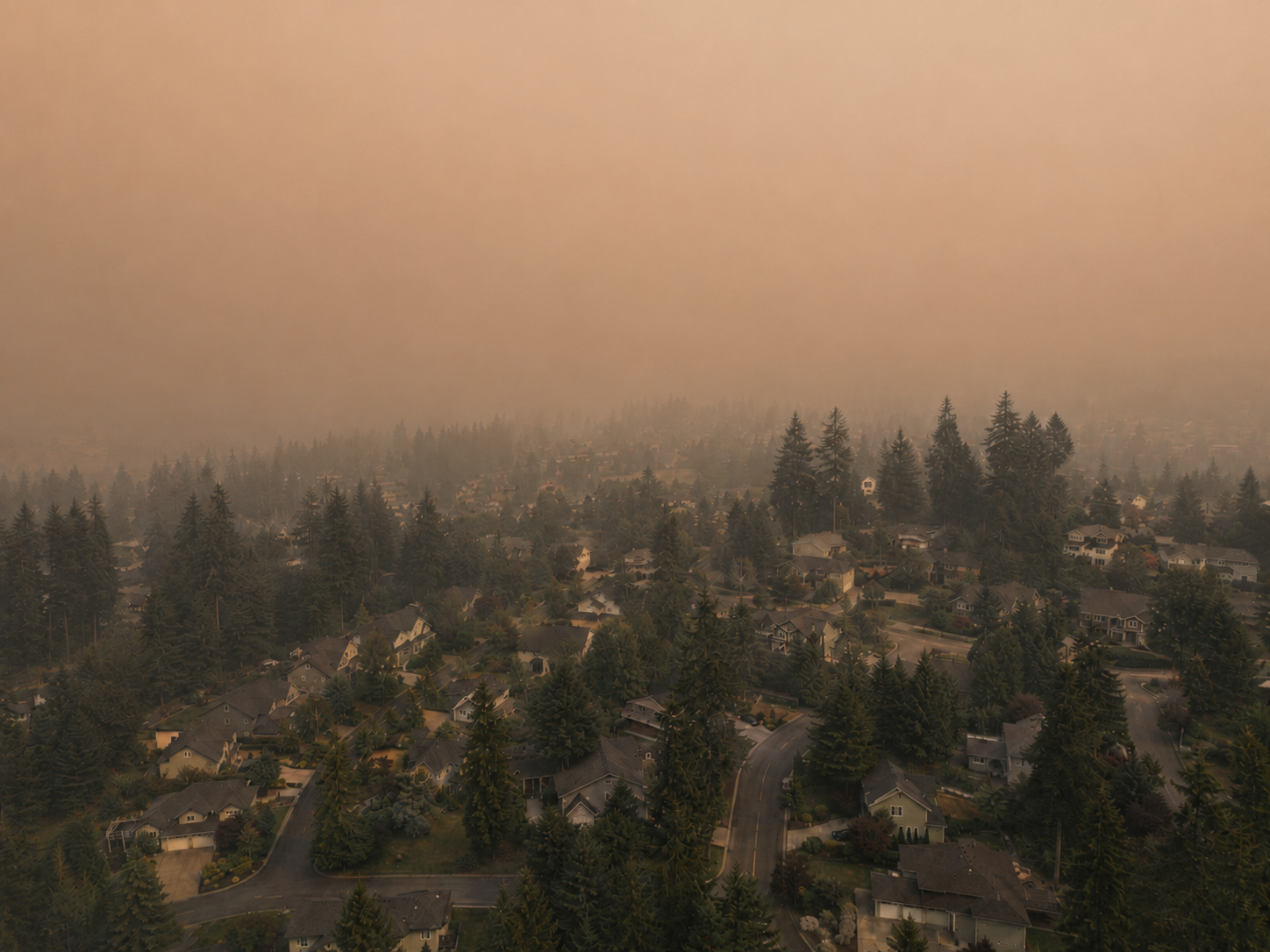
By late summer, wildfire smoke can feel like Washington’s fifth season. Conditions can change quickly and vary from … Washington’s “Fifth Season”: How to Protect Your Health From Wildfire Smoke

Summer plans don’t need to be elaborate. Dinner out, an afternoon with the kids, a round of golf, … BHT’s Spokane Summer Passport Savings Picks
After months of negotiations and two temporary contract extensions, Premera Blue Cross and MultiCare Health System have reached … What’s going on with Premera & MultiCare?